Organic fertilizers play a vital role in modern sustainable farming by improving soil fertility, enhancing crop growth, and protecting the environment naturally. Unlike chemical fertilizers, organic fertilizers are made from natural materials such as compost, plant residues, animal manure, seaweed extracts, and bio-based nutrients. These eco-friendly solutions help farmers maintain long-term soil productivity while producing healthier crops.
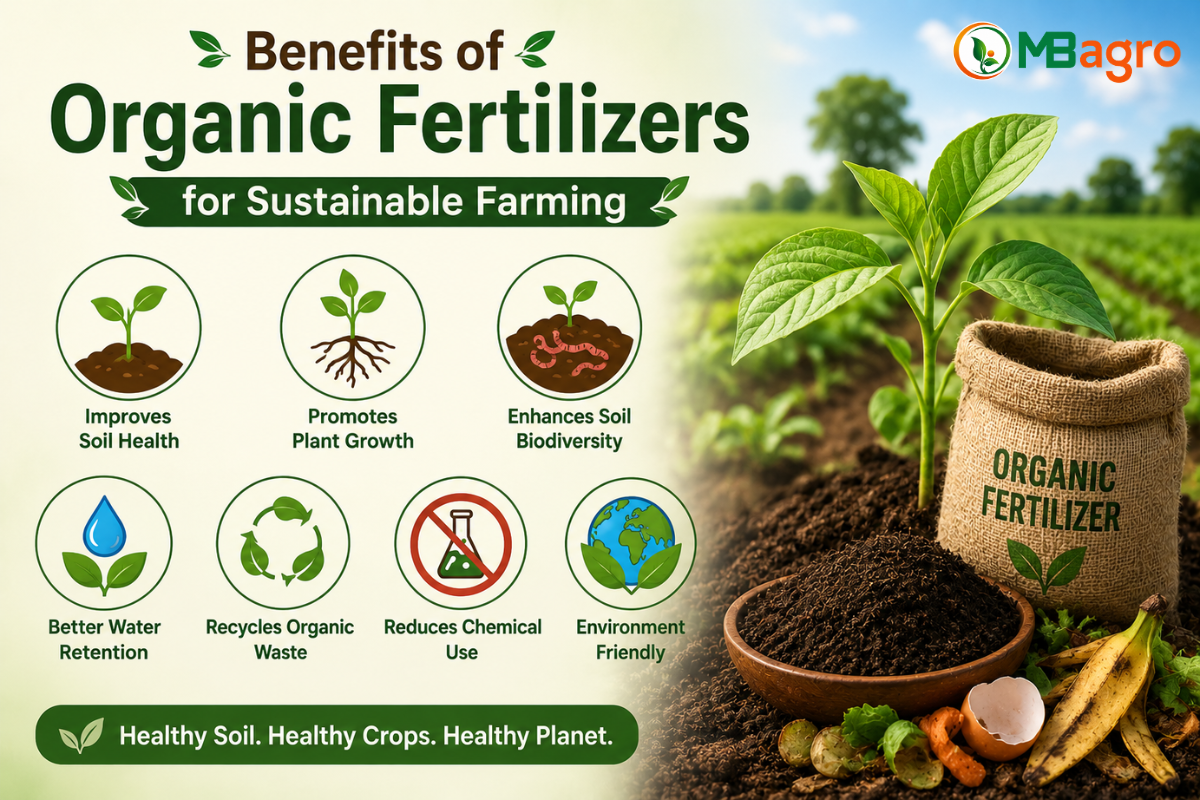
One of the biggest benefits of organic fertilizers is their ability to improve soil health. Healthy soil is the foundation of successful agriculture. Organic fertilizers increase organic matter in the soil, making it more fertile and improving its structure. They help the soil retain moisture for a longer time, reduce erosion, and promote better root development. Improved soil structure also enhances air circulation and water infiltration, which are essential for healthy plant growth.
Organic fertilizers also support beneficial microorganisms present in the soil. These microorganisms naturally break down nutrients into forms that plants can absorb easily. A healthy microbial environment increases nutrient availability and strengthens plant immunity. As a result, crops become more resistant to pests, diseases, and changing weather conditions.
Another major advantage of organic fertilizers is their environmentally friendly nature. Excessive use of chemical fertilizers can damage soil quality, pollute groundwater, and harm beneficial insects. Organic fertilizers reduce these environmental risks because they release nutrients slowly and naturally. They do not contain harmful synthetic chemicals that affect ecosystems or soil biodiversity. Sustainable farming practices using organic inputs help preserve natural resources for future generations.
Organic fertilizers are also beneficial for crop quality and yield. They provide balanced nutrition to plants and improve chlorophyll production, resulting in greener leaves, stronger roots, better flowering, and healthier fruits. Farmers often notice improved crop taste, texture, and shelf life when organic products are used consistently. Over time, organic farming methods can increase agricultural productivity while reducing dependency on expensive chemical products.
Cost-effectiveness is another important benefit. Many organic fertilizers are produced using locally available agricultural waste, compost, or natural materials. This reduces input costs for farmers and encourages waste recycling. Organic farming practices can also improve long-term soil fertility, lowering the need for repeated chemical applications.
In today’s agriculture industry, consumers are becoming more aware of food safety and environmental sustainability. Organic farming has gained popularity because it supports healthier food production without harmful chemical residues. Farmers using organic fertilizers can build stronger trust with customers and contribute to safer agricultural practices.
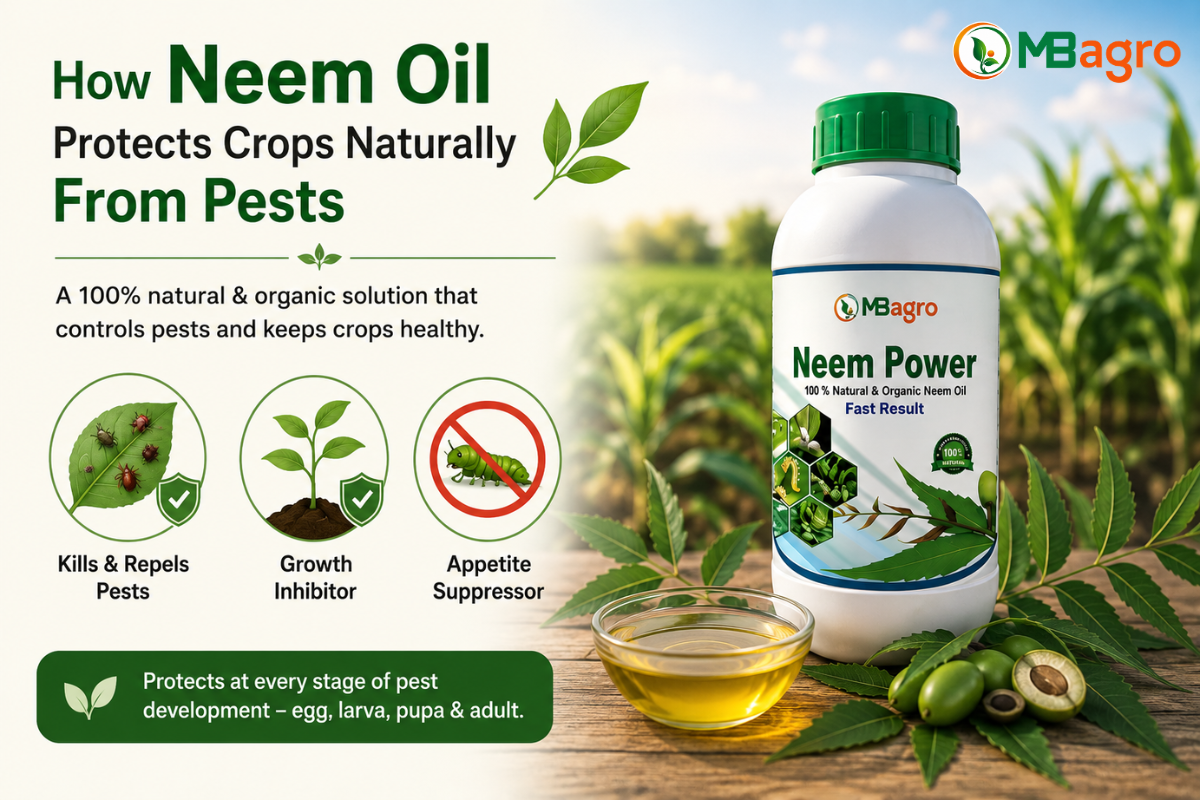
Products such as organic compost, humic acid formulations, neem oil, bio-stimulants, and amino acid-based fertilizers are becoming essential parts of sustainable farming systems. These products improve soil condition, increase nutrient absorption, enhance plant growth, and protect crops naturally.
In conclusion, organic fertilizers are an effective and sustainable solution for modern agriculture. They improve soil fertility, support plant health, increase crop productivity, and protect the environment. By adopting organic farming practices, farmers can achieve long-term agricultural success while maintaining ecological balance and producing healthier crops for the future.